Design for seed-stage startups
At seed, design is not about polished screens. It is about doing things in the right order: the story first, then the launch video, the landing page, onboarding, and only then the product polish.
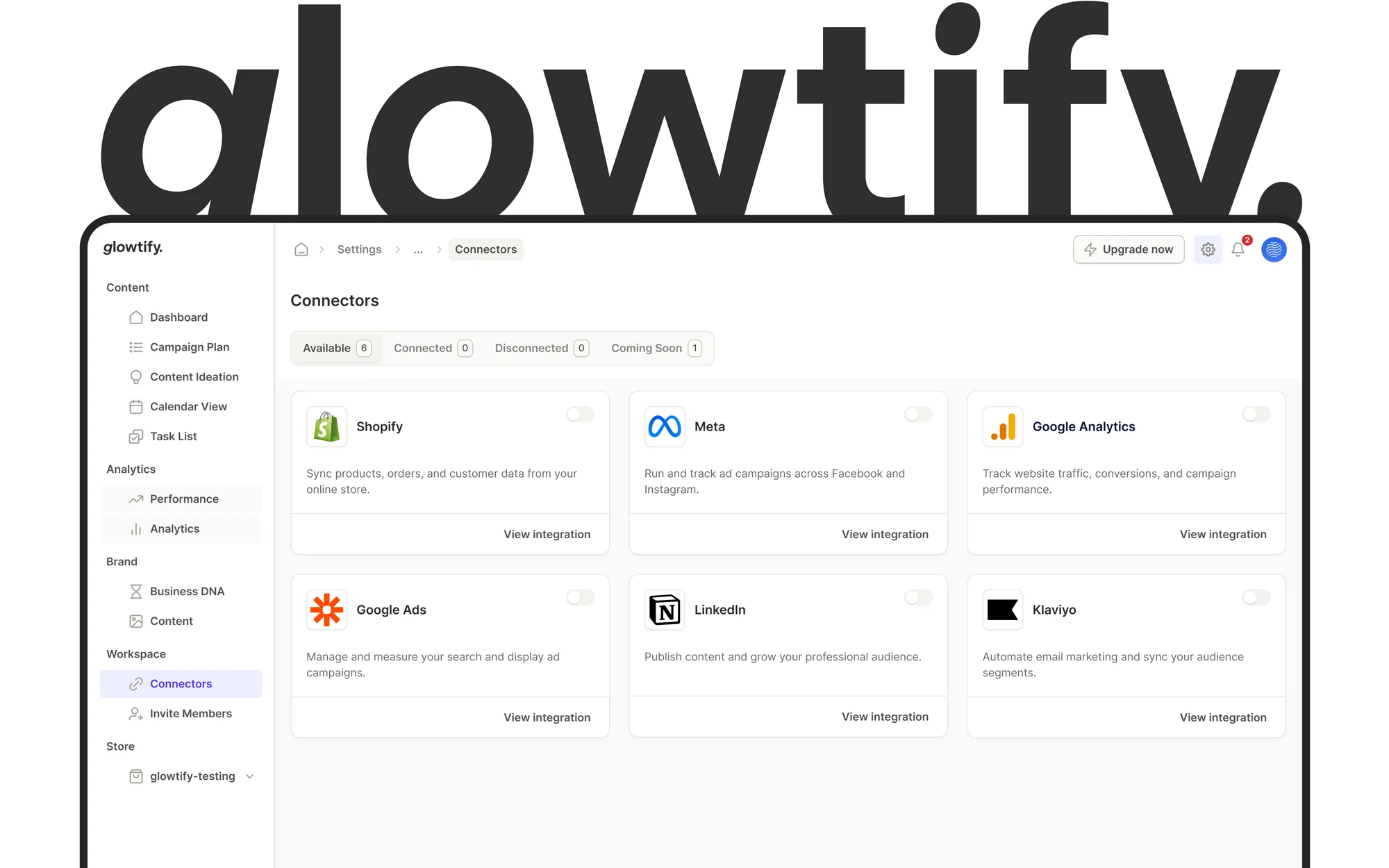 Glowtify, AI marketing platform, now seed fundedView case study →





The seed-stage launch path
Six moves, in this order. Each one makes the next one cheaper. Most founders do them backwards.
- 01 · Week 0 to 1
Story
If you cannot say who it is for in one sentence, no screen will fix it.
We decideWho the first users are, the one promise, and what proves it.
We shipThe headline, the pitch narrative and the words every later page reuses.
- 02 · Week 1 to 3CaseWize →
Launch video
People believe what they see working. A 60 to 90 second video sells before anyone signs up.
We decideThe three flows that show the product best, and the order to show them in.
We shipA product video with animated flows, cut for your site, X and LinkedIn.
- 03 · Week 2 to 4Viewmax →
Landing page
One promise, one proof, one action. Everything else waits until people ask for it.
We decideWaitlist, demo or self serve signup, and the proof above the fold.
We shipA Framer or Webflow page your team can edit, with the video built in.
- 04 · Week 4 to 6Ritual →
Onboarding
Signups are not users. The first minutes decide who stays.
We decideWhat the first win is, and the shortest way to reach it.
We shipFirst run, empty states, nudges and the events to track every step.
- 05 · Week 6 to 10Floxy →
Core product
Now polish pays off, because you know what people actually use.
We decideThe one screen people come back for, and what it must answer.
We shipCore screens, states and a small design system your engineers build from.
- 06 · Week 8 to 12Dozy →
Paywall and growth
Pricing is a guess until you test it. Make testing cheap from day one.
We decideFree versus paid, the paywall moment and the loops that bring people back.
We shipPaywall layouts you can switch remotely, share moments and recap emails.
The order matters more than the pixels
What we see most often at seed, and what we do instead.
Polish the dashboard before anyone uses it
Write the story first, then design what proves it
Launch with a feature list
Launch with a 60 second video of the product working
Ask for 14 fields before anything happens
Get people to their first win, then ask
Guess one price and hard code it
Ship paywalls you can switch without an update
Add analytics after users start leaving
Track every onboarding step from the first build
What to skip at seed
Things that feel productive and are not, yet.
A logo, two colors, one typeface and a voice is enough until people know your name.
Build the 12 components you use. The rest can wait until a second designer joins.
One landing page that converts beats a site map nobody reads. Add pages when people ask.
A launch video that shows the product working
CaseWize helps plaintiff-side law firms make sense of their cases. We made a launch video with three animated product flows, so firms see what it does before they ever log in.
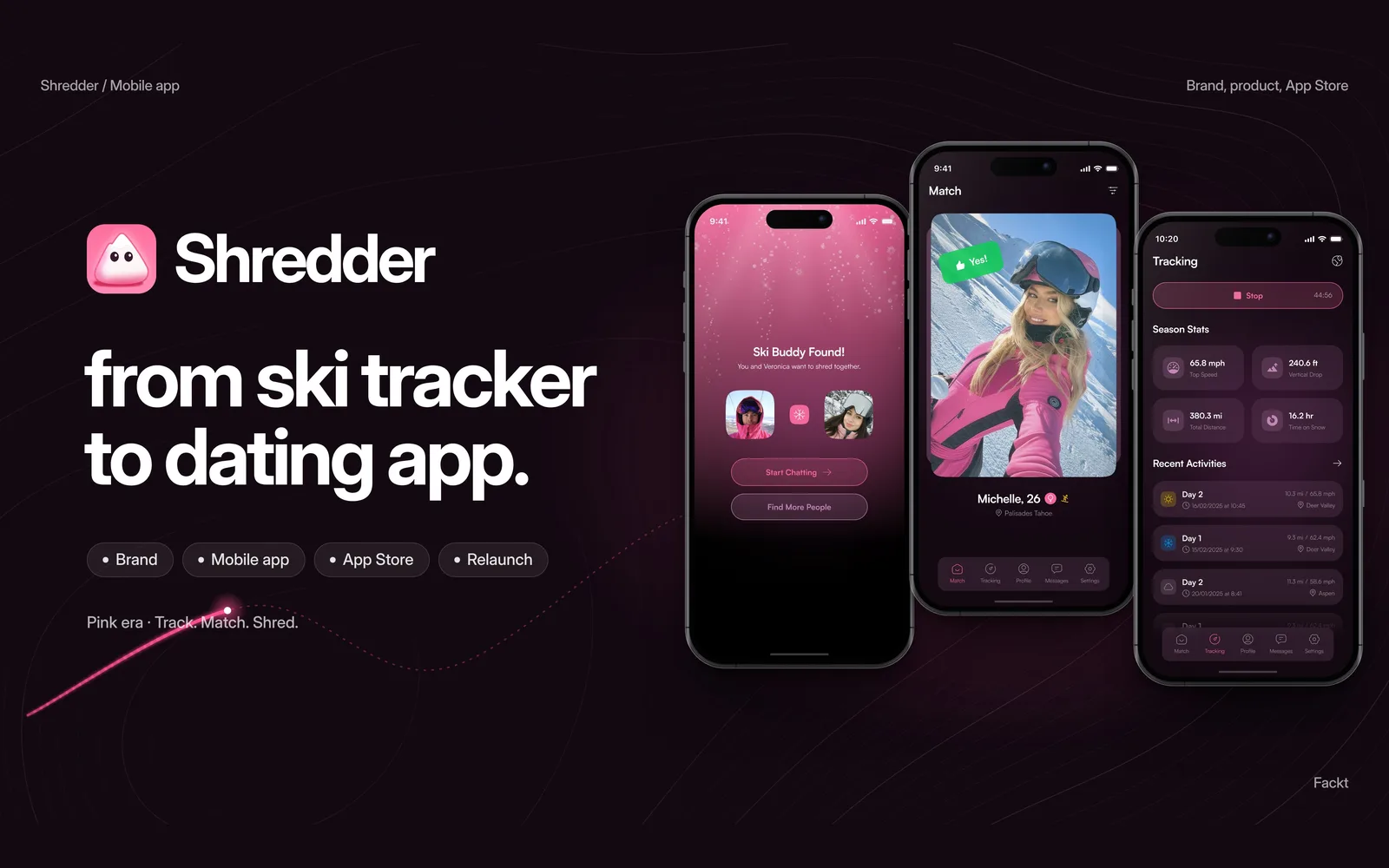
Early-stage products we designed
Design at seed stage, answered
We are pre-launch. Where do we start?
With the story and the launch video. They are the cheapest to change and they shape everything after them: the landing page, the onboarding and the pitch.
Do we need a designer before product market fit?
You need design decisions, not a full time designer. A studio covers the whole path in a few months, and many founders hire in house later.
How much does it cost?
Single moves are fixed projects from $5,000. The whole path runs best on a retainer at $6,900 a month, which you can pause any time.
Can you work with our engineers?
Yes. We hand off Figma files, states and specs your team builds from, and stay on for questions while they build.
Can you start with an audit?
Yes. Send your product or prototype and within 2 days you get a video walkthrough and a written list of fixes, ordered by impact.
Where are you on the path?
30 minutes with Dom. You leave with clear next steps, whether we work together or not.